

Local Roofing Regulations & Permits
Living in Florida means running the air conditioner almost year-round. But if your AC unit is working overtime and your energy bills keep climbing, the problem might not be your thermostat—it might be your roof.
At Roof Roof, we often find that the biggest threat to a home’s efficiency isn’t the heat outside, but the heat trapped inside the attic.
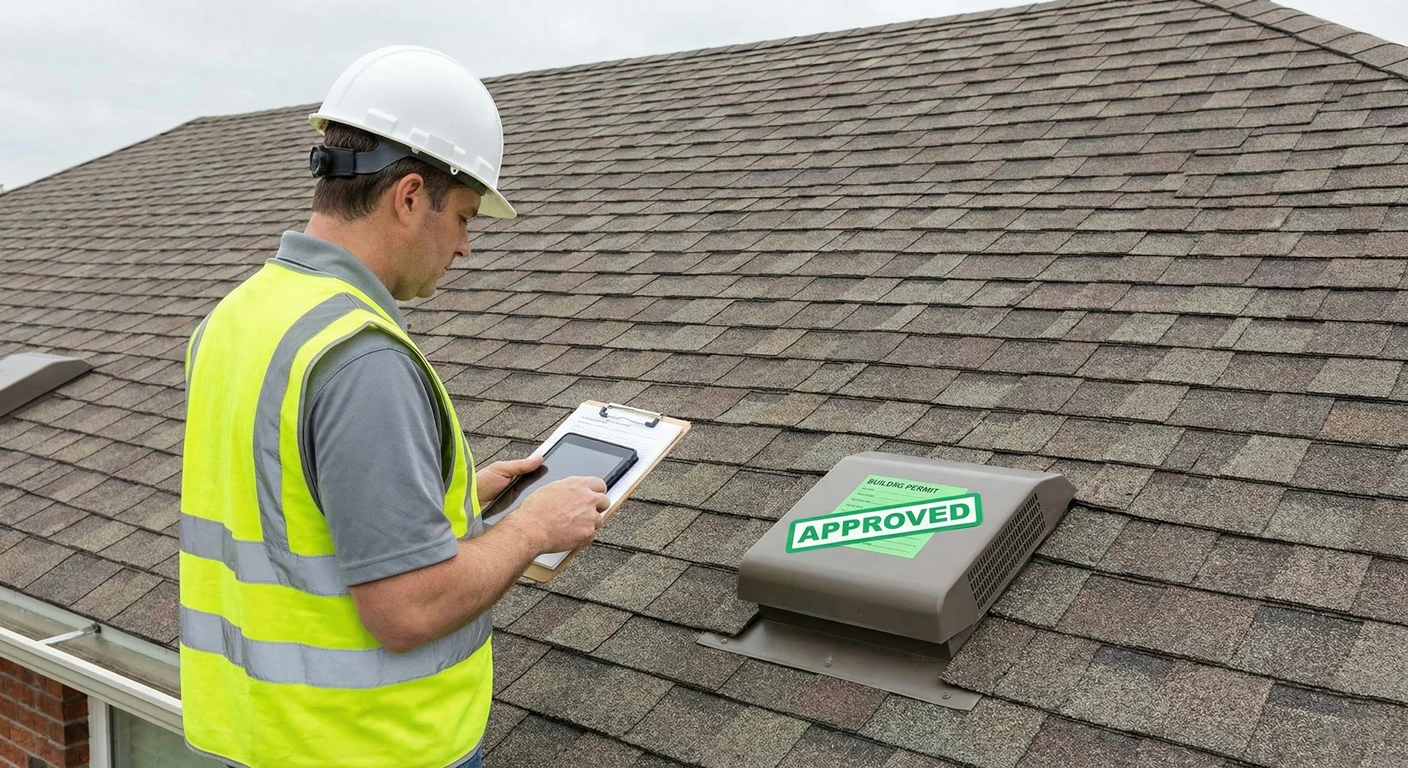
Table of Contents
The "Oven Effect": Why Ventilation Matters
Your roof is the shield against the sun, but without proper airflow, your attic becomes an oven. On a 90°F day, an unventilated Florida attic can easily reach temperatures of 150°F or higher.
This extreme heat radiates downward into your living spaces, forcing your AC system to fight a battle on two fronts: the outside heat and the superheated air from your own attic.
Proper ventilation allows cool air to enter through the soffits (under the eaves) and hot air to escape through ridge vents at the peak. This continuous airflow keeps the attic temperature closer to the outside temperature.
Hidden Damage: It’s Not Just About Electricity
Poor ventilation doesn’t just hurt your wallet; it destroys your roof from the inside out.
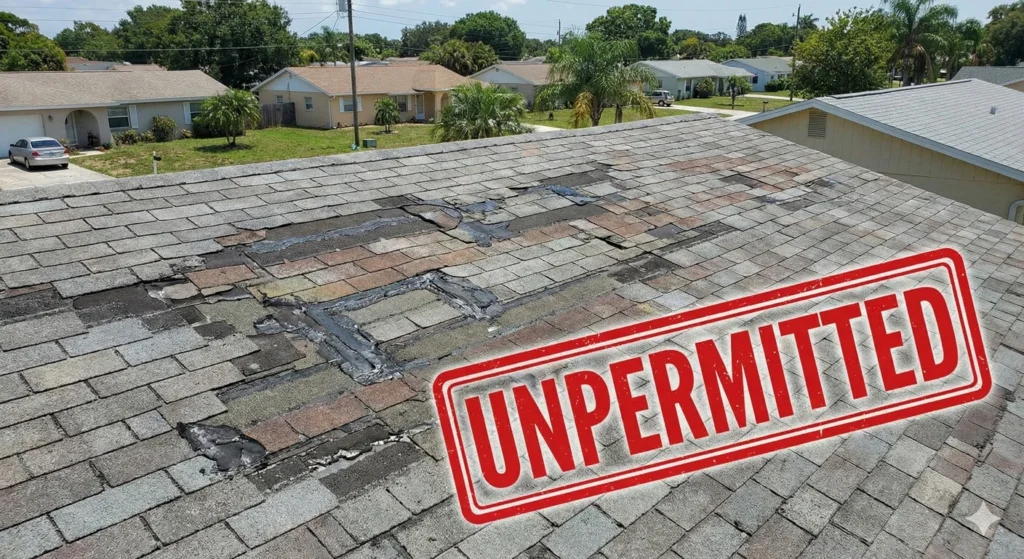
“Cooking” Your Shingles: Excessive heat bakes asphalt shingles from underneath, causing them to blister, crack, and age prematurely. A 30-year roof might fail in 15 years without airflow.
Moisture & Mold: In Florida’s humid climate, trapped air leads to condensation. This moisture rots roof decking and promotes mold growth, which can become a serious health hazard.
The Role of Roof Color and Material
Beyond ventilation, the materials you choose make a difference. Dark shingles absorb heat, while lighter colors or Energy Star-rated shingles reflect solar rays.
If you are considering a roof replacement, asking about “Cool Roof” technology or reflective granules can significantly reduce heat transfer.
Signs Your Ventilation Is Poor
How do you know if your roof is the problem? Look for these signs:
• Your AC runs constantly but the house never feels fully cool.
• You see icicle-like rust on nail heads in the attic (sign of moisture).
• Shingles look curled or blistered.
• Some rooms are significantly hotter than others.
Get a Free Ventilation Assessment
Don’t let your attic burn through your savings. A simple inspection can identify if your intake vents are blocked by insulation or if you need additional exhaust vents.
Roof Roof can assess your current system and implement affordable solutions to lower your bills and save your roof.